Health and Safety Policy for House Cleaners
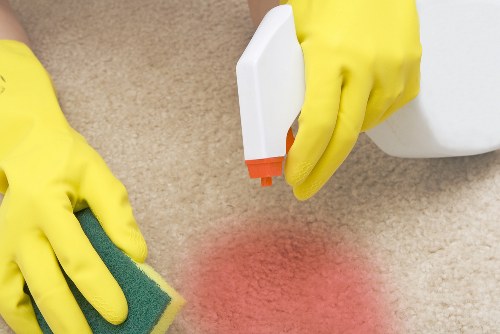 This Health and Safety Policy sets out clear, practical measures to protect house cleaners, domestic cleaning staff and household cleaning teams while they deliver high-quality cleaning services. The aim is to reduce risks, prevent incidents and ensure that every home cleaner and residential cleaner understands safe working practices, hazard controls and expectations for reporting and support.
The policy applies to all personnel engaged in home cleaning activities, whether full-time, part-time or freelance, and covers routine tasks such as dusting, vacuuming, bathroom and kitchen cleaning, and occasional deep cleans. It prohibits unsafe shortcuts and promotes the use of appropriate personal protective equipment (PPE), safe cleaning products and correct manual handling techniques for lifting and moving items in houses.
![A young woman with long blonde hair tied in a high ponytail, wearing a white t-shirt and yellow rubber cleaning gloves, stands in a bright, modern kitchen with white cabinetry and a tiled backsplash. She is smiling and holding a spray bottle in one hand while using the other hand to support a cleaning cloth. On the white kitchen countertop, there is a blue bucket filled with various cleaning supplies, including bottles of detergent, spray cleaner, and a yellow cloth. The scene is well-lit with natural light coming through a window with closed blinds behind her, highlighting the clean and organized space that appears ready for comprehensive cleaning or ongoing maintenance. The setting subtly reflects professional residential cleaning services, with an emphasis on a tidy, hygienic kitchen environment typical of homes in the [TOWN] or surrounding areas, as represented in the context of [PAGE_TITLE] and [PAGE_URL] on housecleaners.org.uk.](/pub/_photos/cleaning/f1391289704.jpg) Risk assessment underpins the approach: before work starts the cleaner should identify slip, trip and fall hazards, chemical exposure risks, electrical dangers and biological contamination. The residential cleaners team must apply control measures such as containment, signage, ventilation and using low-toxicity products. Routine checks of equipment and an understanding of product safety data are essential.
Risk assessment underpins the approach: before work starts the cleaner should identify slip, trip and fall hazards, chemical exposure risks, electrical dangers and biological contamination. The residential cleaners team must apply control measures such as containment, signage, ventilation and using low-toxicity products. Routine checks of equipment and an understanding of product safety data are essential.
Key Safety Principles and Controls
All household cleaners should receive training in safe systems of work. Training topics include correct PPE use (gloves, eye protection, kneepads where required), safe handling of concentrated cleaning agents, and procedures for cleaning sharps or contaminated waste. Emphasis is placed on correct dilution and labeling of solutions, avoiding mixing chemicals and choosing safer alternatives when feasible.
Manual handling guidance: cleaners often lift laundry baskets, move furniture and carry buckets. Adopt team lifting for heavier items, use trolleys for repeated loads and maintain neutral spine posture. The policy encourages ergonomic aids and regular breaks to reduce musculoskeletal strain among household cleaners and domestic cleaning personnel.
![A close-up image shows a person's hands covered in black soot or ash, with visible dirt and grime on the skin. The individual is seated, wearing blue denim jeans and a dark shirt. Their fingers are slightly spread apart, revealing the textured and stained surface of the hands, suggesting recent work involving dirt, soot, or similar substances. The background is blurred, focusing attention on the hands, with a natural light source illuminating the scene softly. The image evokes the effort involved in manual cleaning or restoration work, relevant to a professional cleaning service based in the UK, such as those provided by House Cleaners, especially in areas near [POSTCODE] or [TOWN]. It highlights physical cleanliness tasks, emphasizing the importance of thorough cleaning and degreasing in residential or commercial settings, and aligns with the themes in the 'Health and Safety policy' page on housecleaners.org.uk](/pub/_photos/cleaning/thecleaningsecretswelearntfromgrandma01.jpg) To prevent slips and trips, maintain clear walkways, secure rugs, and use wet floor signs during mopping. Electrical safety requires inspecting cords and plugs, avoiding overloaded sockets and keeping electrical appliances away from wet areas. The policy advises residential cleaners to unplug equipment before cleaning and to report any faults immediately.
To prevent slips and trips, maintain clear walkways, secure rugs, and use wet floor signs during mopping. Electrical safety requires inspecting cords and plugs, avoiding overloaded sockets and keeping electrical appliances away from wet areas. The policy advises residential cleaners to unplug equipment before cleaning and to report any faults immediately.
Infection Control, Waste and Chemical Safety
Infection control procedures are central when working in multiple homes or after illness. Cleaners should use disposable PPE where appropriate, segregate contaminated materials and follow hand hygiene protocols. When dealing with bodily fluids or suspected infection, use appropriate disinfectants at the recommended contact time and dispose of waste in sealed bags.
Chemical safety: always read product labels and safety guidance, store chemicals in labeled containers and keep incompatible substances separate. Avoid aerosols in poorly ventilated rooms; instead, use damp methods or low-odour formulations to protect respiratory health of house cleaners and occupants.
Environmental considerations: favor biodegradable or phosphate-free products and reduce single-use plastic where possible. Proper disposal of cleaning chemicals and consumables protects both staff and the environment while promoting sustainable housekeeping practices among household cleaning teams.
Emergency procedures and first aid: every cleaner should know how to call for help and locate first aid kits. Minor cuts, burns or chemical splashes must be treated promptly; for significant incidents, follow emergency services guidance. Reporting incidents, near misses and hazards helps refine practices and supports a culture of continuous improvement.
![A young woman with a cheerful expression is standing against a plain white wall, dressed in a light purple T-shirt and wearing bright yellow rubber cleaning gloves. She is holding a blue spray bottle filled with cleaning solution in her right hand, and a matching blue cleaning bucket with a yellow cloth draped over its side in her left arm. She also carries a small squeegee or window cleaner with a blue handle over her shoulder. The scene appears to feature her during or preparing for cleaning tasks, suggesting a professional cleaning service environment typical of homes or offices in the [POSTCODE] area, such as [TOWN]. The lighting is even and natural, emphasizing her professional attire and cleaning equipment, which aligns with the services offered by House Cleaners in the UK. The overall impression is one of readiness and professionalism for residential or commercial cleaning in the area, reflecting a clean, organized, and well-equipped approach to maintaining cleanliness and safety in indoor environments.](/pub/_photos/cleaning/f1435725824.jpg) Lone working: when working alone in a house, cleaners should inform a supervisor or colleague of their schedule, have access to a charged phone and use check-in systems when available. Trustworthy procedures for entry and exit reduce security risks and ensure personal safety for home cleaners operating independently.
Lone working: when working alone in a house, cleaners should inform a supervisor or colleague of their schedule, have access to a charged phone and use check-in systems when available. Trustworthy procedures for entry and exit reduce security risks and ensure personal safety for home cleaners operating independently.
![A white plastic cleaning supply basket filled with various cleaning products and tools, set against a plain white background. Inside the basket are several brightly coloured plastic bottles containing cleaning solutions, including a blue bottle with a red cap, an orange bottle, and a green spray bottle. There are also a pink spray bottle and a white bottle with a red cap. Draped over the edge of the basket are yellow rubber gloves, along with a light blue cloth and a yellow cloth, suggesting readiness for detailed cleaning tasks. The arrangement appears neat, with the bottles standing upright and the cloths and gloves casually placed around the basket. This composition emphasizes household cleaning supplies typically used for residential spaces, reflecting a professional approach to maintaining a clean and hygienic environment, possibly in a home within the [POSTCODE] area near [TOWN]. The image underscores the importance of organised cleaning equipment, relevant to companies like House Cleaners operating in the UK, focusing on maintaining high standards of cleanliness and safety in both domestic and commercial settings.](/pub/_photos/cleaning/f1296306176.jpg) Equipment maintenance: regular servicing of vacuums, polishers and other machines prevents hazardous failures. Store equipment safely and ensure guards and safety features are in place. Regular inspections and documented maintenance logs help domestic cleaning staff recognize issues before they cause harm.
Equipment maintenance: regular servicing of vacuums, polishers and other machines prevents hazardous failures. Store equipment safely and ensure guards and safety features are in place. Regular inspections and documented maintenance logs help domestic cleaning staff recognize issues before they cause harm.
Supervision and continuous improvement: supervisors should conduct routine observations, provide refresher training and encourage open dialogue about safety. Use simple checklists for site-specific risks and involve cleaning teams in developing safe methods, fostering ownership among the residential cleaners workforce.
Reporting and accountability: any accident, near miss or unsafe condition must be reported promptly to a manager. Records support trend analysis and targeted interventions. The policy expects everyone???from household cleaners to coordinators???to contribute to a safer working environment.
Conclusion: consistent application of these measures supports healthy, sustainable working conditions for the wide range of professionals who clean homes. This policy promotes practical, common-sense steps that protect people, property and the environment while enabling efficient, high-quality domestic cleaning services by residential and home cleaners alike.
- Always carry appropriate PPE and replace worn items.
- Never mix cleaning chemicals.
- Report hazards and incidents without delay.