Essential stain removal guide for UK homes cleaning
If you have ever stared at a fresh spill on a carpet, sofa, shirt, or kitchen worktop and thought, "Right, now what?", you are in the right place. This Essential stain removal guide for UK homes cleaning is built for the real world: tea on the rug, mud on the hallway runner, grease in the kitchen, red wine after a dinner party, and all the other little disasters that happen in busy homes. The goal is simple. Help you treat stains properly, protect your surfaces, and avoid making a small mark turn into a permanent one.
To be fair, most stain damage does not happen because people do nothing. It happens because they act fast, but act wrong. Rub too hard, use the wrong product, or add heat at the wrong moment, and the stain can set in. This guide walks you through what works, what to avoid, and how to choose the right cleaning method for common UK household fabrics and surfaces.
If you want a practical, no-nonsense approach, start here. You will find step-by-step instructions, expert tips, a comparison table, a real-world example, and a checklist you can actually use when the spill happens at 8:15 in the evening and you just want the thing sorted.
Why Essential stain removal guide for UK homes cleaning Matters
Stains are not just an appearance issue. They can shorten the life of textiles, dull hard floors, leave lingering odours, and in some cases create hygiene concerns. In a typical UK home, you are dealing with a mix of flooring and fabric types: wool carpets, synthetic rugs, upholstered sofas, laminate, tile, sealed wood, painted walls, and worktops. Each one behaves differently when it gets stained.
That is why a one-size-fits-all approach usually falls apart. A method that helps on a ceramic tile may be far too harsh for velvet or wool. A cleaner that lifts a coffee spill from a synthetic carpet can leave a halo on a natural fibre rug. Let's face it, the internet is full of "just use vinegar" advice, and some of it is fine, some of it is a bit of a mess.
For UK homes, another factor is everyday weather. Wet shoes, muddy paw prints, damp coats, and rain-soaked umbrellas bring in a lot of grime. In winter, you may also notice salt marks near entrances, road dirt in hallways, and heavier wear on carpets and runners. If you live in a flat, a terrace, or a family house with lots of foot traffic, stain control quickly becomes part of routine cleaning rather than a one-off problem.
Good stain removal also supports longer cleaning cycles. If you treat marks early, you may not need a deep clean as often. That matters for anyone balancing family life, pets, work, or a rental property. A stain left for weeks can become embedded, and by then the job is less about cleaning and more about damage control.
Quick takeaway: the sooner you deal with a stain, the better your chance of removing it safely. Blot first, test second, and choose the mildest effective method.
How Essential stain removal guide for UK homes cleaning Works
Stain removal is basically a controlled process of breaking down or lifting the unwanted material without damaging the surface beneath it. That sounds simple, but there are a few moving parts. You need to identify the stain type, understand the material it landed on, and decide whether the stain is water-based, oil-based, protein-based, tannin-based, or something more stubborn like dye transfer or paint.
Here is the plain-English version:
- Water-based stains include tea, coffee, squash, many food spills, and some mud marks.
- Oil-based stains include grease, makeup, lotions, cooking oil, and butter.
- Protein-based stains include blood, milk, egg, and some food residues.
- Tannin-based stains often include tea, red wine, fruit juice, and some plant-based drinks.
- Dye stains can come from ink, hair dye, coloured drinks, and transfers from clothing.
The stain removal process works best when you start by removing excess material, then apply a suitable cleaner in small amounts, and finally rinse or extract what is left. That last part matters. If cleaner residue stays behind, it can attract dirt later and leave a visible patch. In carpets, for example, a half-cleaned stain sometimes returns after drying because the residue wicks up from below. Annoying, yes. Common, absolutely.
For fabrics and upholstery, capillary action is often what spreads the problem. Liquid moves through fibres, especially if you rub. That is why blotting beats scrubbing most of the time. For hard surfaces, the main challenge is avoiding abrasion or chemical dulling. Some stains sit on top and wipe away. Others, especially dried grease or limescale-laced marks, need a little more patience.
If you are cleaning after a party, a toddler meal, or a rainy school run, speed matters. But speed without method can backfire. A thoughtful 5-minute treatment often does more than a frantic 30-second scrub.
Key Benefits and Practical Advantages
Using a sensible stain removal approach gives you more than a cleaner-looking home. It can save money, protect materials, and make routine cleaning less stressful. That is not marketing fluff; it is just how home maintenance works.
- Protects fabrics and finishes: the right method prevents fibre damage, colour loss, and surface dulling.
- Improves odour control: food and drink spills often leave smells behind even after the mark itself fades.
- Reduces the need for replacement: many carpets, rugs, and sofas can last longer if stains are handled early.
- Makes deep cleaning easier: regular spot treatment stops grime from building into larger patches.
- Helps renters and landlords: cleaner carpets and upholstery can support better property condition at the end of a tenancy.
- Supports everyday hygiene: especially in kitchens, bathrooms, and homes with children or pets.
There is also a psychological benefit, oddly enough. A home with clean fabrics and well-kept surfaces simply feels more under control. You notice it when you walk into a room and there is no stale smell, no mystery patch on the sofa arm, no sticky circle on the table. Small things, but they add up.
If you prefer professional support for deeper issues, it can help to look at services such as deep cleaning, carpet cleaning, or upholstery cleaning when the stain is old, widespread, or has soaked through layers.
Who This Is For and When It Makes Sense
This guide is for anyone managing a home in the UK, but some people will find it especially useful. If you live with children, pets, shared accommodation, or a busy household, stains are not occasional surprises. They are part of the weekly landscape.
It also makes sense for:
- Homeowners who want to maintain carpets, furniture, and flooring for longer.
- Renters who need to reduce avoidable damage before moving out.
- Landlords and letting agents who need sensible upkeep between tenancies.
- Property managers dealing with mixed surface types and frequent wear.
- Families handling food spills, mud, felt-tip, and everyday chaos. Because, well, life happens.
- Pet owners who need a plan for wet paws, accidents, and outdoor dirt.
- Anyone preparing for guests after a spill on a rug, sofa, or mattress.
The guide is especially useful when you are deciding whether a stain is a quick DIY job or something that needs professional help. If the stain is old, large, set-in, or on a delicate fabric, a cautious approach is better than guessing.
In homes where cleaning is done around work, school runs, and the usual weekly rush, having a reliable system is honestly half the battle. No drama. Just the right next step.
Step-by-Step Guidance
Here is a practical method you can use for most household stains. Adapt it to the material, of course, but this sequence works well as a starting point.
1. Identify the stain and the surface
Ask yourself: what caused it, and what landed on? Tea on wool carpet is a very different challenge from grease on tile or ink on cotton. If you do not know the stain type, start mild. Never assume the strongest cleaner is the smartest one.
2. Act quickly, but do not panic
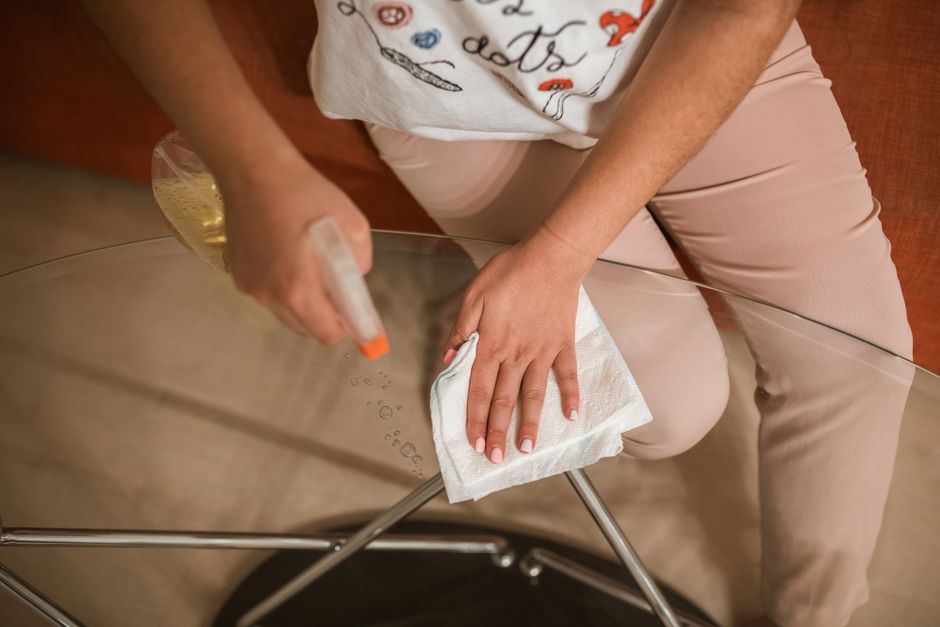
Fresh stains are easier to lift. Remove solids with a spoon or blunt edge if needed. For liquids, blot with a clean white cloth or paper towel. Press gently. Do not grind the stain deeper into the fibres. The goal is to lift, not massage it in. A bit obvious, but easy to forget in the moment.
3. Test in an inconspicuous spot
Before using any cleaner, test it on a hidden area. This is especially important for wool, silk, velvet, dyed fabrics, and painted finishes. Wait to see whether the colour changes, the pile flattens, or a mark appears.
4. Choose the mildest effective cleaner
For many general stains, lukewarm water with a tiny amount of suitable detergent is a sensible first step. For greasy marks, a degreasing cleaner may be needed. For protein stains, cool water is often safer than warm water. For delicate upholstery, less moisture is usually better.
5. Apply sparingly
Use the cleaner in small amounts. Over-wetting can spread the stain and make drying slower. If you are treating a carpet or sofa, work from the outside edge inward to reduce spreading. Patience matters here.
6. Blot, lift, and repeat
Use a fresh cloth as the stain transfers. Repeat until progress slows. If the stain is fading, keep going with light pressure rather than scrubbing harder. It often takes a few cycles. That is normal.
7. Rinse or neutralise residue
After the stain lifts, remove leftover cleaner with clean water or the recommended method for the material. Residue can attract dirt and create a dull patch later. This is one of those tiny details that separates a decent clean from a proper one.
8. Dry properly
Blot excess moisture, then allow airflow. Open a window if weather allows, or use a fan at a safe distance. Do not pile cushions back onto a damp sofa or put rugs in place while still wet underneath. You want the area dry all the way through, not just on the surface.
9. Check for a shadow or ring
Once dry, inspect the area in daylight if you can. UK homes often show stains differently under warm bulbs than they do by the window. If a pale ring remains, a second controlled treatment may be needed. If it still looks off, stop there and consider professional help rather than chasing it endlessly.
10. Record what worked
This sounds a bit overly organised, but it helps. Keep a note of the stain type and the successful method. Next time, you will not be starting from scratch while holding a cloth and regretting your life choices.
Expert Tips for Better Results
Here are the small habits that make stain removal noticeably more successful. They are simple, but they matter more than fancy products.
- Use white cloths or white paper towels: coloured cloths can transfer dye and make assessment harder.
- Work from the outside in: this helps contain the stain instead of spreading it.
- Keep heat away from unknown stains: heat can set protein, dye, and some food stains permanently.
- Use cooler water for blood, egg, or milk: warm water can make these cling more strongly.
- Vacuum dry debris first: on carpets and rugs, lift crumbs and dust before adding moisture.
- Be careful with steam: a steam cleaner can help some fibres, but on others it can lock in marks or distort the pile.
- Do not flood upholstery: too much moisture can lead to water marks or slow-drying odours.
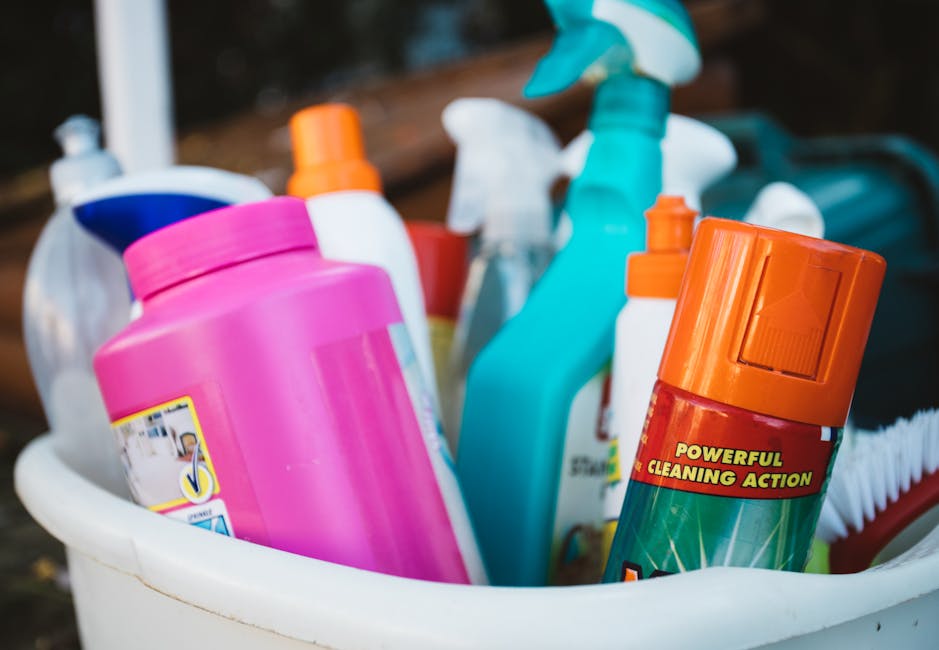
- Keep a small stain kit ready: a cloth, white towel, gentle detergent, gloves, and a spoon can save time.
If you are dealing with a recurring carpet issue, a dedicated spot cleaner may be useful for quick response, while a carpet steam cleaner can support deeper maintenance when used appropriately. A small note of caution: more powerful is not automatically better. Wrong tool, wrong surface, and you are back to square one.
One more practical tip. Always clean the smallest effective area first. If the stain lifts, great. If it does not, you have only created a small test patch rather than a bigger issue. Sensible, boring, effective.
Common Mistakes to Avoid
Most stain removal mistakes are not dramatic. They are small, rushed decisions that seem harmless at the time. Then the mark gets bigger, brighter, or more permanent.
- Rubbing aggressively: this pushes the stain deeper and can damage fibres.
- Using bleach too freely: bleach can strip colour and weaken materials, especially on fabrics and carpets.
- Mixing chemicals: never combine cleaning products unless the label specifically says to do so.
- Applying too much water: this can spread the stain or leave a damp backing that takes ages to dry.
- Skipping the test patch: one hidden test can prevent a very visible mistake.
- Using heat too soon: hot water, ironing, or a hairdryer can set certain stains.
- Ignoring the backing layer: spills may travel beyond the top surface, especially on carpets and cushions.
Another big one is impatience. If the stain is fading but not gone, people often switch products too quickly. That can make things worse. Give the first method a fair chance, then decide whether to repeat it or stop. Truth be told, restraint is often the expert move.
And yes, sometimes the stain is already permanent. That is frustrating, but it is better to know early than to keep attacking it and damaging the area around it.
Tools, Resources and Recommendations
You do not need a cupboard full of specialist products to handle most household stains. A sensible kit is usually enough.
Useful basic tools
- Microfibre cloths or white cotton cloths
- A small bowl or spray bottle for diluted cleaner
- A spoon or blunt scraper for solids
- A vacuum cleaner for dry debris
- Protective gloves for stronger products
- Paper towels for quick blotting
- A soft brush for certain fabrics and rugs
Household products that may help
- Mild liquid detergent
- Carpet or upholstery spot treatment designed for the material
- Specialist grease remover for kitchen stains
- Odour-neutralising cleaner where appropriate
When professional help is worth it
Sometimes the smartest resource is not another bottle. It is a professional cleaner with the right extraction equipment and material knowledge. This can be especially helpful for delicate upholstery, wool carpets, end-of-tenancy refreshes, and large or recurring stains. If you are weighing up DIY versus professional cleaning, services like home cleaning, domestic cleaning, and one-off cleaning can be useful depending on the situation.
For carpets specifically, people often compare carpet cleaner rental with booking a proper carpet cleaning service. Rental machines can be handy for light maintenance, but they vary in power and extraction. If the stain is deep or old, stronger equipment and experience can make a real difference.
Law, Compliance, Standards, and Best Practice
For everyday household stain removal, there is usually no special legal process to follow. That said, there are still sensible best practices to keep in mind, especially if you are cleaning as part of a business, rental property, or shared premises.
In practical terms, the main issues are safety, product handling, and proper disposal. Always read product labels, keep chemicals away from children and pets, and make sure the room is ventilated. If you are using stronger cleaning agents, wear gloves and avoid mixing different products. That is basic good practice, but it gets overlooked more often than you would think.
If you are a landlord, letting agent, cleaner, or property manager, you also need to think about consistency, safe working methods, and whether a stain issue might be tied to broader property condition. For example, repeated mould-like marks, damp-related staining, or persistent odours may point to a moisture problem rather than a simple cleaning issue. At that point, cleaning alone is not the full answer.
Professional cleaning businesses should also carry appropriate insurance and follow safe handling procedures for equipment and products. If you are hiring help, it is sensible to look for clear policies around health and safety, liability, and complaints. Households do not need a lecture, just reassurance that the work will be done carefully.
If sustainability matters to you, choosing the right amount of product and avoiding unnecessary waste is part of good practice too. Using less water where possible, reusing cloths properly, and selecting a method that gets it right first time all reduce waste. The greenest clean is often the one you do once.
Options, Methods, or Comparison Table
Different stains call for different approaches. Below is a simple comparison to help you decide what to try first.
| Method | Best for | Strengths | Watch-outs |
|---|---|---|---|
| Blotting with cool water | Fresh tea, juice, light food spills | Gentle, low risk, easy to do fast | May not lift oils or set-in stains |
| Mild detergent solution | General household stains on washable surfaces | Versatile and usually safe | Too much product can leave residue |
| Specialist stain remover | Grease, makeup, ink, or older marks | Targeted action, often more effective | Needs patch testing and correct use |
| Machine extraction | Carpets, rugs, and some upholstery | Good for embedded dirt and larger spills | Over-wetting and drying time can be issues |
| Professional cleaning | Delicate fabrics, severe staining, end-of-tenancy work | Experience, equipment, and safer treatment options | Costs more than DIY, but may save the item |
There is no single "best" method. The best option is the one that matches the material, the age of the stain, and your confidence level. If a stain has spread into the padding under carpet or into the seams of a sofa, professional extraction may be the sensible route. If it is a fresh splash on a washable surface, a simple blot and rinse may be all you need.
Case Study or Real-World Example
A fairly ordinary example: a family in a terraced house in South London notices a fresh tea spill on a light-coloured living room carpet after Sunday breakfast. The spill is small, but it lands near the sofa leg and starts to soak in. One person reaches for a cloth, another is ready to scrub, and someone else suggests a random cleaning spray from the kitchen cupboard. Classic.
Instead, they slow down. They blot the tea with a white cloth, check the carpet label, and test a mild detergent mix in a hidden spot near the skirting board. The stain lightens, but a faint shadow remains. Rather than scrubbing harder, they repeat the blotting process, then rinse lightly and dry the area with airflow from an open window. By the evening, the mark is much less visible and the carpet pile still looks intact.
The important part here is not that the stain vanished like magic. It is that the family avoided the usual mistakes: too much product, too much rubbing, and too much confidence. Had the tea been left until the next day, or had they used a hotter cleaner straight away, the result may have been worse. Not dramatic. Just better judgement.
In a different scenario, a darker stain on an upholstered dining chair might not shift with DIY treatment at all. That is when a proper upholstery clean makes more sense than repeated home trials. The decision point is simple: if your method is not improving the stain after a careful attempt, stop and reassess.
Practical Checklist
Use this quick checklist whenever a stain appears. It keeps things calm, which is half the battle.
- Identify the stain type if you can.
- Check the fabric or surface care instructions.
- Blot excess material immediately.
- Test any cleaner in a hidden area.
- Use the mildest effective method first.
- Avoid rubbing, scrubbing, and excess moisture.
- Rinse or remove residue after cleaning.
- Dry the area thoroughly.
- Inspect once dry for any ring or shadow.
- Escalate to professional help if the stain is set-in, delicate, or spreading.
Expert summary: the best stain removal is calm, fast, and appropriate to the surface. Do less, but do it properly. That approach saves more carpets, sofas, and shirts than most "miracle" hacks ever will.
Get a free quote today and see how much you can save.
Conclusion
Stain removal does not need to be complicated, but it does need a bit of discipline. The main principles are straightforward: identify the stain, protect the surface, act quickly, test first, and avoid the all-too-human urge to scrub harder when things are not moving fast enough. We have all been there.
For UK homes, where weather, foot traffic, pets, family life, and mixed materials create endless small messes, a reliable stain removal routine is genuinely useful. It keeps your home looking cared for, extends the life of your furnishings, and saves you from last-minute panic when a spill lands on the carpet just before guests arrive.
If the stain is small and fresh, you may handle it yourself with confidence. If it is large, old, delicate, or just not shifting, bringing in professional support can be the smarter option. Either way, the aim is the same: clean well, damage less, and keep the home feeling like home.
And if today's spill has already made your evening more exciting than you wanted, take a breath. Most stains are manageable with the right approach, and the ones that are not can still be handled with calm, careful help.
Frequently Asked Questions
What is the best first step for stain removal in a UK home?
The best first step is to blot the stain gently with a clean cloth or paper towel and avoid rubbing. Then identify the stain type before using any cleaner.
Should I use hot water on stains?
Not always. Hot water can set some stains, especially protein-based marks like blood, egg, or milk. Cool or lukewarm water is often safer to start with.
How do I remove tea stains from carpet?
Blot the area, apply a small amount of mild detergent solution, and continue blotting until the stain lifts. Rinse lightly and dry thoroughly to avoid a ring.
Can I use vinegar for all stains?
No. Vinegar can help with some marks, but it is not suitable for every material or every stain. Always test first, especially on wool, stone, and delicate fabrics.
What stains are hardest to remove from upholstery?
Ink, red wine, grease, dye transfer, and set-in food stains are often the most difficult. The fabric type matters too, so a safe test patch is essential.
Is it better to clean a stain immediately or let it dry first?
Usually immediately. Fresh stains are generally easier to lift. The main exception is certain solids or sticky substances, which should be removed carefully before adding moisture.
When should I call a professional cleaner?
Call a professional if the stain is large, old, delicate, repeated, or affecting carpets, upholstery, or rugs you do not want to damage. Professional extraction can be worth it.
Will stain removers damage my carpet?
They can if used incorrectly or on the wrong material. That is why patch testing, following the label, and avoiding overuse are so important.
How do I stop stains from coming back after cleaning?
Make sure the area is rinsed properly and dried fully. Residue left in fibres can attract dirt or cause a stain to reappear as the fabric dries.
Are carpet cleaner rentals as good as professional carpet cleaning?
They can help with light maintenance, but they are not always as effective as professional equipment, especially for deep or stubborn stains. The right choice depends on the job.
What should I do if I do not know what caused the stain?
Start with the mildest safe method, usually cool water and gentle blotting. If that does not help, stop before trying stronger products that could worsen the mark.
Can stain removal help with odours too?
Yes, if the source of the smell is removed properly. If residue remains in carpet, upholstery, or padding, odours can linger even after the visible mark improves.