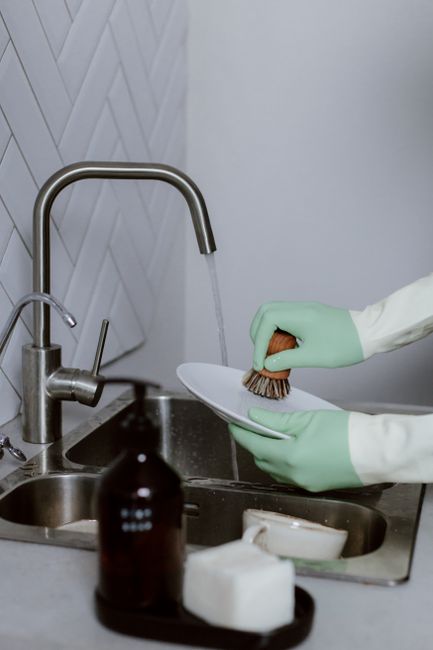
Eco friendly kitchen cleaning tips for UK homes
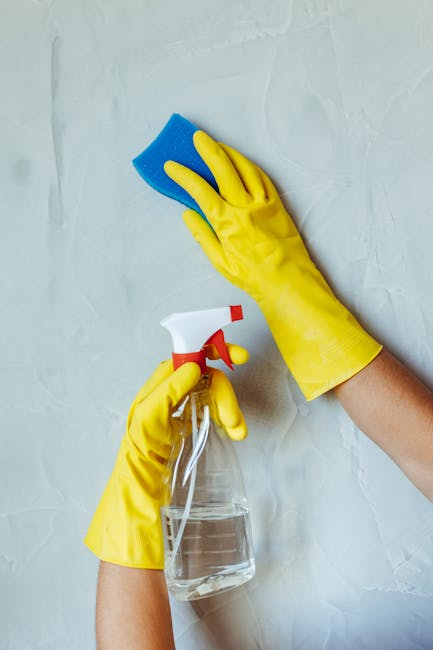
If your kitchen is the kind of place where tea spills happen before breakfast and crumbs seem to multiply by evening, you are not alone. Eco friendly kitchen cleaning tips for UK homes are not about making life harder or turning cleaning into a science project. They are about using smarter, gentler methods that still get the job done properly.
In a typical British kitchen, you are dealing with hard water marks, greasy hob splashes, limescale around the tap, and the odd mysterious sticky patch on the cupboard handle. The good news? A greener approach can handle all of that without filling the room with harsh fumes or loads of unnecessary plastic. This guide walks you through practical methods, useful tools, and sensible routines that fit real homes, real schedules, and real mess.
We will cover what eco-friendly cleaning actually means, how it works, when it makes sense, the mistakes to avoid, and a simple step-by-step routine you can start using today. Nothing flashy. Just proper, useful advice.
Why eco-friendly kitchen cleaning tips for UK homes Matters
The kitchen is one of the most heavily used rooms in any home, so cleaning habits add up quickly. If you use strong products for every wipe-down, you are probably using more chemical load, more packaging, and more money than you need to. That does not automatically make a product bad, of course. Some situations genuinely call for stronger cleaners. But for everyday kitchen maintenance, a lighter approach often works beautifully.
There is also a very practical UK angle. Many homes deal with limescale, especially in harder-water areas, and a lot of standard kitchen mess is a mix of grease, dust, food residue, and mineral deposits. Eco-friendly methods are often well suited to this because they focus on the real problem rather than masking it with perfume. Truth be told, a kitchen that smells like lemony chemicals is not necessarily a cleaner kitchen.
Another reason it matters is indoor air quality. Kitchens are busy little spaces, and if you are cleaning while cooking, ventilating the room can only do so much. Using fewer harsh fumes can make the room more comfortable, especially in smaller flats, terraced homes, or open-plan spaces where smells travel fast. You will notice the difference after a while. Less sting, less residue, less fuss.
And then there is the waste side of things. Refillable bottles, reusable cloths, and simpler ingredient choices can cut down on plastic and clutter. That might sound like a small thing. It really isn't when you live with a crowded utility shelf and a cupboard full of half-used sprays.
Expert summary: Eco-friendly kitchen cleaning is not about being perfect or purist. It is about using the least aggressive method that still leaves the kitchen hygienic, fresh, and genuinely clean.
How eco-friendly kitchen cleaning tips for UK homes Works
Eco-friendly cleaning works by matching the cleaning method to the type of dirt. Grease needs something that breaks down oily residue. Limescale needs an acid-based approach. Food splashes need lifting and wiping, not soaking and scrubbing forever. Once you understand that, a lot of the guesswork disappears.
Most greener kitchen routines rely on a few common principles:
- Mechanical action first: a microfibre cloth, sponge, or soft brush removes a surprising amount before any liquid does much work.
- Minimal but targeted ingredients: use only what you need, not a full cocktail of sprays.
- Short dwell time: let the cleaner sit briefly so it loosens grime, then wipe clean.
- Warm water where appropriate: it helps dissolve grease and rinse residue away.
- Regular maintenance: tiny daily habits prevent bigger jobs later.
The most useful eco-friendly ingredients in a home kitchen are often very ordinary: washing-up liquid, bicarbonate of soda, white vinegar for some mineral deposits, and plain hot water. That said, not every natural ingredient is a miracle worker. Vinegar is good for some tasks, but it is not ideal for every surface. More on that later, because yes, the internet does love to oversimplify this part.
If you are wondering whether "eco-friendly" means homemade only, the answer is no. A good refillable product from a reputable brand can still be a sensible choice. The point is to reduce unnecessary harm, waste, and overuse, not to turn your kitchen into a chemistry lab with mason jars everywhere.
Key Benefits and Practical Advantages
The best reason to adopt greener kitchen cleaning is simple: it is easier to keep up with. A routine that feels gentle and manageable is one you will actually do on a Tuesday night after work, not just once before visitors come round.
Here are the main advantages most UK households notice:
- Less residue: many eco-friendly methods rinse away more cleanly, especially on worktops and cupboard fronts.
- Fewer harsh smells: useful if you cook often or have a small kitchen with limited ventilation.
- Better day-to-day habit formation: quick wipe-downs feel less intimidating when the products are simple.
- Lower waste: reusable cloths, refill bottles, and concentrated cleaners can reduce packaging.
- More surface-friendly: gentler cleaners can be better suited to sealed wood, laminate, stainless steel, and painted finishes when used correctly.
- Cost control: fewer products, used more sparingly, often means less spending over time.
There is also a psychological benefit that people do not talk about enough. A kitchen that smells clean without being overpowering just feels calmer. You open the door, get that faint fresh note of soap and warm cloth, and somehow the room looks more under control. Nice little win, that.
For families, renters, pet owners, and anyone trying to reduce chemical exposure in everyday spaces, these methods can be especially appealing. Not because they are magical. Because they are practical.
Who This Is For and When It Makes Sense
Eco-friendly kitchen cleaning is a good fit for most UK homes, but it is particularly helpful in a few situations.
- Busy households: if you need fast, repeatable routines that do not involve several specialist sprays.
- Small kitchens and flats: fewer fumes and less clutter are a real plus when space is tight.
- Families with children: people often prefer simpler products around food prep areas.
- Pet owners: avoiding strong residues and heavy scents can be more comfortable for animals.
- People trying to cut waste: refill systems and reusable cloths are an easy place to start.
- Landlords and tenants: a sensible, low-residue cleaning approach can help keep kitchens looking cared for without overdoing it.
It makes sense too if your kitchen is cleaned frequently but not deeply every day. That is most homes, really. You might wipe the counters each evening, mop once a week, deep clean the oven now and then, and tackle limescale when it shows up. An eco-friendly approach fits that rhythm well.
It may be less suitable as a one-size-fits-all answer if you are dealing with heavy grease build-up, mould, or post-build grime. In those cases, a more targeted deep clean may be needed first, then a greener routine can maintain the results. No shame in that. Sometimes the job is bigger than the bottle.
Step-by-Step Guidance
Here is a straightforward routine you can use in a typical UK kitchen. It is practical, not precious.
1. Clear the surfaces first
Take off the obvious clutter: mugs, chopping boards, mail, condiment bottles, and anything else that has quietly colonised the worktop. This gives you room to see what needs attention. Half the battle is simply being able to reach the surface.
2. Dry wipe crumbs and loose debris
Use a dry microfibre cloth, soft brush, or reusable paper towel alternative to lift crumbs and dust before adding liquid. If you skip this step, you often end up pushing sticky bits around, which is a bit annoying, frankly.
3. Clean the hob and splash zones
For light grease, warm water with a drop of washing-up liquid often does the trick. Apply to the cloth, not directly to the surface, especially around controls and seals. Let it sit for a moment if needed, then wipe and dry. For stubborn greasy patches, a paste of bicarbonate of soda and water can help loosen the film without scratching.
4. Tackle the sink and taps
Kitchen sinks collect food residue, water spots, and limescale. Wash the basin with a mild cleaning solution, then deal with the tap area separately. For limescale, a suitable acid-based method may help, but always check that the surface finish can cope. Chrome and stainless steel usually do better when dried properly after cleaning, because standing water encourages marks.
5. Wipe cupboard fronts and handles
These are the sneaky zones that show fingerprints and cooking vapour. A lightly damp cloth with a small amount of gentle cleaner is usually enough. If your cupboard doors have a matte finish or special coating, avoid anything abrasive. Better to go twice gently than once aggressively.
6. Clean the worktops based on material
Laminate, wood, stone, and composite surfaces all have different tolerances. A general rule: less liquid, more control. Sealed surfaces can often handle a damp cloth and mild cleaner; unsealed wood needs much more care. If you are unsure, test a small hidden area first. It is a tiny thing that saves headaches.
7. Finish with floors and touch points
Sweep or vacuum crumbs, then mop with a minimal amount of cleaner suited to the floor type. Finally, wipe the high-touch spots: fridge handles, bin lid, light switches, and cupboard pulls. These details make a kitchen feel properly finished, not just apparently clean.
One useful habit: keep a small caddy under the sink with only the essentials. If you make it too complicated, nobody uses it. Including you, on a tired Thursday evening.
Expert Tips for Better Results
A greener routine works best when you use technique, not just products. A few small improvements make a big difference.
- Use two cloths: one for greasy areas, one for dry finishing. It keeps surfaces clearer and reduces streaking.
- Work from clean to dirty: start with cupboard tops or splashbacks before the sink and floor.
- Do not overspray: more product does not mean better cleaning. It usually means more wiping.
- Warm, not scorching, water is often enough: very hot water can be uncomfortable and is not always necessary.
- Dry surfaces after wiping: this is especially useful in UK kitchens where moisture lingers and water marks show up quickly.
- Use steam carefully: steam can be helpful for some sealed surfaces and grout, but check manufacturer guidance first.
If you are dealing with persistent cooking smells, clean the bin area, the fridge seal, the microwave interior, and the sink waste as part of the same routine. Odour usually has a source. It is rarely a mystery forever.
Another tip: label refill bottles clearly if you decant products. Sounds obvious, but mixed-up sprays are a silly little household hazard nobody needs. We have all seen that one bottle on the shelf with no label and a questionable amount of confidence attached to it.
And if you love a good deep-clean day, pair it with natural ventilation. Open a window, let the air move, and give the room a reset while you work. It feels better. Sounds better too, with the kettle boiling in the background and a cloth moving over the worktop.
Common Mistakes to Avoid
Eco-friendly cleaning is helpful, but it can go wrong if you treat every natural remedy like a universal solution. That is where people get frustrated.
- Using vinegar on every surface: it can damage some materials, especially natural stone and certain finishes.
- Mixing random ingredients: more is not better, and some combinations are unsafe or simply pointless.
- Scrubbing too hard: abrasive pads can dull finishes and leave marks.
- Letting liquids sit too long: moisture can creep into seams, joints, and wood edges.
- Ignoring labels and manufacturer advice: especially for worktops, appliances, and specialist finishes.
- Expecting one product to do everything: kitchen grease, limescale, and food staining are different problems.
One of the biggest mistakes is chasing a "natural" label without checking whether the method is actually suitable. A product can be eco-conscious and still be wrong for your quartz worktop. Similarly, a homemade cleaner can be cheap and simple but still leave streaks or damage a finish if used carelessly.
So, the rule is straightforward: be gentle, be targeted, and do not let the internet bully you into using one miracle jar for everything. The kitchen deserves better than that.
Tools, Resources and Recommendations
You do not need a huge kit. In fact, the best setup is usually small and practical.
| Tool or product | Best use | Why it helps |
|---|---|---|
| Microfibre cloths | General wiping, polishing, dust removal | Lift dirt well and reduce streaking with less product |
| Soft scrub brush | Sink edges, grout lines, stubborn corners | Helps with mechanical cleaning without harsh abrasion |
| Reusable spray bottle | Gentle diluted cleaning solutions | Reduces single-use packaging and lets you control application |
| Bicarbonate of soda | Deodorising and light abrasive cleaning | Good for grease spots and marked areas when used carefully |
| Washing-up liquid | Everyday grease removal | Simple, effective, and already familiar in most homes |
| White vinegar | Some limescale tasks and glass cleaning | Useful in the right place, but not for all surfaces |
| Steam cleaner | Sealed surfaces, grout, selected kitchen tasks | Can reduce chemical use where manufacturer guidance allows it |
For a fuller home-wide approach, it can help to think about the kitchen as part of a wider cleaning system. If you are already using a reliable deep cleaning routine in the rest of the house, it is easier to keep kitchen maintenance lighter and more sustainable. The same goes for broader household habits such as recycling and sustainability, which can support the way you choose refillable products and reusable cloths.
If the kitchen needs a bigger reset, some homeowners pair greener day-to-day cleaning with a periodic professional house cleaning visit or a more focused kitchen cleaning service. That can be especially useful after parties, renovations, or long periods when the room has simply got away from you a bit.
For stubborn grease around ovens and extractor areas, you may also find a targeted oven cleaning service helpful when your own routine is not enough. Sometimes the best eco-minded decision is to avoid overusing strong products at home and let a specialist deal with the heavy stuff occasionally.
Law, Compliance, Standards, or Best Practice
For domestic kitchen cleaning, there is usually no special legal requirement to use eco-friendly products. The main duty is simply to clean safely and avoid causing harm. That said, good practice matters, especially if you are cleaning for other people, managing a rental property, or hiring a cleaning company.
In UK homes, sensible best practice usually includes the following:
- Follow product labels: dilution, contact time, and surface guidance matter.
- Store products safely: keep cleaners away from children and pets.
- Ventilate where needed: open windows or use extraction, especially when cleaning with stronger substances.
- Avoid unsafe mixtures: never combine products unless the instructions clearly allow it.
- Protect sensitive materials: stone, wood, and specialist finishes need specific care.
If you use a professional cleaning service, it is reasonable to ask about their health and safety approach, insurance, and product choices. Reputable providers should be able to explain how they handle surfaces, ventilation, and product handling in plain English. You should not need to decode jargon like it is a plumbing manual.
For tenants and landlords, keeping kitchens clean and undamaged is simply good practice during a tenancy. A gentle routine can help preserve surfaces for longer, which is better for everyone. No drama, fewer replacements, fewer complaints.
Options, Methods, or Comparison Table
Different kitchen cleaning methods suit different needs. Here is a simple comparison to help you choose what makes sense in your home.
| Method | Best for | Pros | Watch out for |
|---|---|---|---|
| Microfibre + water | Light dust, fingerprints, fresh spills | Cheap, quick, low waste | May not lift heavy grease on its own |
| Washing-up liquid solution | Everyday grease and general cleaning | Effective and widely available | Too much leaves residue |
| Bicarbonate paste | Stuck-on marks and mild scrubbing | Gentle abrasive action | Can be messy if overused |
| Vinegar-based cleaning | Some limescale and glass surfaces | Useful for mineral deposits | Not suitable for every material |
| Steam cleaning | Selected sealed surfaces and crevices | Reduces chemical reliance | Must match surface type and manufacturer advice |
For most households, the best answer is not one method only. It is a small combination. A cloth for crumbs, a mild cleaner for grease, a targeted approach for limescale, and a proper rinse-and-dry finish. Simple, really.
Case Study or Real-World Example
Picture a two-bedroom flat in south London, with a compact galley kitchen and a habit of collecting steam, crumbs, and the occasional sauce splash. The owner wants the room to feel fresher but does not want a cupboard full of harsh sprays. Fair enough.
The routine they switch to is straightforward. Each evening, they clear the worktops, wipe with a damp microfibre cloth, and use a small amount of washing-up liquid on greasy patches. Twice a week, they clean the hob, sink, and cupboard handles. Once a week, they deal with the tap area and floor. When limescale appears around the sink, they use a targeted method rather than attacking the whole kitchen with one product.
After a few weeks, the difference is not dramatic in a glossy-magazine way. It is better than that. The kitchen feels easier to keep tidy. There is less residue on the worktops, fewer lingering smells, and less last-minute panic when someone pops round for tea. The owner also stops buying duplicate products, which was happening more than they realised. Classic.
The important lesson here is that eco-friendly cleaning works best when it becomes routine, not a one-off project. A kitchen maintained lightly and often will nearly always beat a kitchen cleaned hard and rarely.
Practical Checklist
Use this simple checklist to keep your kitchen cleaning routine green and manageable.
- Clear counters before cleaning.
- Dry wipe crumbs and loose debris first.
- Use microfibre cloths or other reusable tools where possible.
- Match the cleaner to the job: grease, limescale, or general wipe-down.
- Use the smallest effective amount of product.
- Check surface guidance before using vinegar, steam, or abrasive methods.
- Wipe handles, switches, taps, and other touch points.
- Dry surfaces to avoid streaks and water marks.
- Ventilate the room if needed.
- Store products safely and label decanted bottles.
- Build a weekly routine so mess never gets a head start.
That last point matters more than people think. Once cleaning becomes routine, the whole kitchen feels lighter. Less effort, less stress, less "I'll do it tomorrow" energy hanging over you.
Conclusion
Eco friendly kitchen cleaning tips for UK homes are really about balance. You want a kitchen that is fresh, hygienic, and comfortable to live in, without relying on harsh chemicals or loads of unnecessary waste. The good news is that you do not need complicated routines to get there. A few smart ingredients, the right cloths, and a sensible order of cleaning can make a big difference.
If you keep the method simple, match the cleaner to the surface, and stay consistent, the kitchen becomes easier to manage week after week. And honestly, that is the goal: not perfection, just a home that feels looked after. A kitchen should support your day, not make it harder.
Get a free quote today and see how much you can save.
When you build a greener routine, you are not just cleaning a room. You are making everyday life a little calmer, a little lighter, and a bit more pleasant to come home to.
Frequently Asked Questions
What are the best eco friendly kitchen cleaning tips for UK homes?
The best tips are to clean regularly, use microfibre cloths, choose mild products for everyday grease, and reserve stronger methods for specific problems like limescale. Keep it simple and targeted.
Is vinegar safe to use in the kitchen?
Sometimes, yes, but not everywhere. Vinegar can help with some limescale and glass cleaning, but it should not be used on surfaces that can react badly, such as some natural stones. Always check first.
Can eco-friendly cleaners remove kitchen grease properly?
Yes, if you use the right method. Warm water with washing-up liquid, a cloth, and a bit of patience will handle a lot of everyday grease. For stubborn spots, a bicarbonate paste can help.
Are homemade kitchen cleaners better than store-bought ones?
Not always. Homemade cleaners can be useful and cheap, but a well-formulated refillable product may be more practical for some homes. The best option is the one that works safely on your surfaces and fits your routine.
How often should I clean my kitchen in an eco-friendly way?
Light cleaning works best every day or every couple of days, especially on counters, hob areas, and the sink. A deeper clean once a week helps keep grease and grime from building up.
What surfaces need extra care in UK kitchens?
Natural stone worktops, wooden surfaces, painted finishes, and some laminates need careful treatment. Use only cleaners recommended for the material and avoid abrasive pads unless the surface can handle them.
Do eco-friendly kitchen cleaning methods save money?
They often can. Using fewer products, refilling bottles, and leaning on reusable cloths tends to reduce waste and duplication. It is not always dramatic, but it adds up.
What should I use for limescale around taps and sinks?
Use a targeted limescale method suitable for the finish. Drying taps after use also helps prevent build-up. In harder-water areas, that small habit can make a noticeable difference.
Are steam cleaners good for kitchen cleaning?
They can be useful for some sealed surfaces and awkward corners, but they are not suitable for every material. Check surface guidance first and do not assume steam is automatically safe for all finishes.
What is the biggest mistake people make with green kitchen cleaning?
Using the wrong method for the surface. Eco-friendly does not mean one-size-fits-all. The other common mistake is overusing products, which can leave residue and create extra wiping.
How can I keep my kitchen smelling fresh without strong sprays?
Focus on the source: clean the bin area, sink, fridge seals, microwave, and drain areas regularly. Good ventilation and quick wipe-downs usually do more than masking smells with perfume.
When should I get professional help for kitchen cleaning?
If you have heavy grease build-up, post-renovation mess, persistent odours, or you simply cannot keep up with the cleaning load, a professional clean can reset the space before your greener routine takes over.